Teaching in an international school brings exciting opportunities, but it also presents unique challenges. Students often arrive with different educational backgrounds, experiences of varying curriculums and, sometimes, gaps in their learning.
In a recent webinar, Rachael Parkinson, Head of Secondary Science, and Jonathan Lucas, Head of Primary Science at Royal Grammar School Guildford Dubai, share their experiences of teaching in an international setting and how they use EdTech to support learning across primary and secondary.
“Being one of the schools out here in the GCC, there are some cultural sensitivities to be aware of…working with the customer services team, the response time was fast. Educake were very engaged and it was catered to what we needed. We managed to rewrite parts of a curriculum to get the most out of that.” – Jonathan
“When we had to switch to online learning almost overnight, we were able to quickly establish an Educake quiz that everyone could do. Having the flexibility to respond to challenges and access different examples really does make it powerful”. – Rachel
Here are some of the key insights:
1. Creating consistency in the classroom
With students joining from different schools and educational backgrounds, creating a consistent learning experience is important.
Rachael and Jonathan highlight the value of using familiar tools and approaches across subjects and year groups. Having a shared platform helps students settle into new environments, while giving teachers a consistent way to assess understanding and support progress.
2. Making retrieval practice part of everyday learning
Regular retrieval practice helps students strengthen their knowledge and identify gaps in their understanding.
Rachael explains how her department use Educake quizzes to encourage students to revisit previously taught content, practise recalling information and address misconceptions. Mixing questions from different topics also encourages students to make connections and apply their knowledge independently.
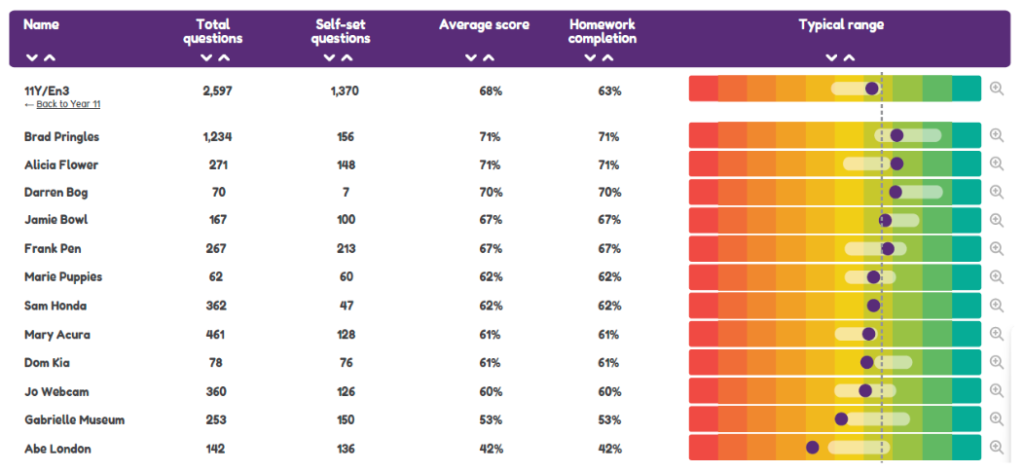
For teachers, the resulting assessment data provides valuable insight into areas that may need further attention.
3. Developing independent learning skills early
Jonathan emphasises the importance of introducing independent learning and revision habits in primary school, rather than waiting until students reach secondary.
Encouraging students to complete questions over a longer period helps them develop time-management skills and take greater ownership of their learning.
By introducing these habits early, students become more confident and prepared for the increased independence expected as they progress through school.
4. Using assessment data to inform teaching
Assessment data helps teachers understand more than just how a student is performing.
Rachael highlights how Educake’s question-level analysis helps identify common misconceptions and areas where students are struggling. Teachers can use these insights to adapt lessons, revisit challenging topics and make more informed curriculum decisions.
Jonathan also discusses the benefits of sharing assessment information between primary and secondary, helping teachers understand students’ existing knowledge and provide more targeted support during the transition to Year 7.
5. Making homework purposeful and engaging
Both speakers highlight the flexibility of online homework in supporting learning beyond the classroom.
From short knowledge-check quizzes to longer revision activities, Educake gives teachers opportunities to reinforce classroom learning and monitor student engagement.
Jonathan also shares how introducing elements of friendly competition can motivate younger learners, while Rachael explains how regular quizzes help secondary students prepare for assessments and revisit important content.
Building a consistent approach to learning
Rachael and Jonathan’s experiences demonstrate how retrieval practice, regular assessment and independent learning can support students in diverse international school settings.
By embedding these approaches across primary and secondary, schools can create a more consistent learning experience, helping students build confidence, strengthen their knowledge and take greater ownership of their progress.