Rachael Parkinson, International Science Teacher, Royal Grammar School Guildford Dubai, reflects on twenty years of change in education.
I recently came across a meme comparing teaching in 2006 with teaching in 2026. It made me smile, but it also made me reflect on just how much education has changed during my twenty years in the classroom.
My first experiences of teaching, after my own school days, came through The Pimlico Connection (one of the first peer-tutoring schemes, founded in 1975) while at university, visiting inner-city London schools and gaining an insight into the very different challenges young people faced.
How things have changed…!
My first actual job teaching was teaching English in Japan, where my classroom essentials were textbooks, flashcards and a notebook where I was recording what I had covered with each class. No PowerPoints, no online platforms and certainly no AI! I confess that, twenty years later, I still love a notebook and the satisfaction of writing things down.
During my PGCE in Nottingham the classrooms became a mixture of old and new technology. Some classrooms had projectors, while one chemistry laboratory still boasted a rolling chalkboard. I remember having to book the computer room for lessons, or wheeling in the TV to watch a video. Today every child has access to their own device and interactive whiteboards are in every classroom. But students also have more information available on the phone in their pocket than we could ever have imagined back when I first started teaching.
Information, information, information
Yet, for all this change, one thing remains remarkably consistent: children still need to be inspired, engaged, challenged and encouraged by their teachers.
What has changed is a student’s relationship with information. Where previous generations might have searched through textbooks, used an index or persevered to find an answer, today’s students can access one in seconds. This presents an interesting question: when knowledge is so readily available, how much do we need to retain, and how do we know which information to trust?
YouTube is a wonderful example. During COVID, educational videos became invaluable, providing explanations, demonstrations and opportunities to revisit learning. Yet alongside excellent content sit misconceptions and inaccuracies. Without a foundation of knowledge, how does a young person distinguish between them?
The power of tech for collaboration
Technology has undoubtedly transformed education for the better. During the pandemic, it allowed learning to continue when classrooms closed. Working internationally, particularly in Dubai, I have seen how digital platforms can connect students and teachers during periods of disruption. International education has also expanded opportunities for teachers to share expertise, collaborate across borders and learn from different educational systems.
The growth of Multi-Academy Trusts in the UK has similarly encouraged collaboration, shared resources and greater consistency. These developments offer real benefits, particularly in supporting teachers and reducing workload. However, I hope we never lose the creativity and individuality that make teaching such a rewarding profession. Some of the most memorable lessons are those where a teacher’s enthusiasm, imagination or spontaneous response takes learning somewhere unexpected.
And now, of course, we have artificial intelligence.
AI offers extraordinary possibilities for personalised learning. In a classroom of twenty or thirty students, a teacher’s time must be shared. An AI tool could potentially offer each student instant explanations, targeted questions and individual feedback, particularly during independent revision. Used thoughtfully, this could be a powerful addition to the classroom.
But it also brings perhaps our greatest challenge: how do we teach students to use technology without becoming dependent upon it?
We want young people to question, evaluate, persevere and think independently. We want them to appreciate that expertise matters, that not every answer is correct and that learning is about far more than finding information quickly. In an increasingly instant world, developing patience, imagination and the ability to work towards long-term goals may become more important than ever.
Where do classrooms go next?
Interestingly, after two decades of encouraging greater technology use, we are also seeing renewed appreciation for handwriting, reading, textbooks and learning away from screens. Perhaps the future is not about choosing between traditional and digital education, but recognising the value of both.
Looking ahead, I believe the greatest opportunity for schools is to embrace innovation while protecting what makes education fundamentally human. Technology can provide information, resources and personalised support, but teachers provide context, encouragement, relationships and the inspiration to go further.
Plus ça change….
Having taught in different countries, experienced the transition from chalkboards to interactive technology, and navigated the extraordinary changes of recent years, I remain optimistic about the future of our profession.
The tools will continue to evolve, the structures of schools may change, and the world our students enter will look very different from the one we knew.
But twenty years on, I still believe that the most powerful resource in any classroom is an enthusiastic, knowledgeable teacher who knows their students, believes in their potential and inspires them to think for themselves. My favourite quote is “education is the most powerful weapon to change the world” and I still fundamentally believe that. But it needs funding and recognition to keep those best teachers in the classroom for as long as possible!
Some things are simply too important to leave to an algorithm.
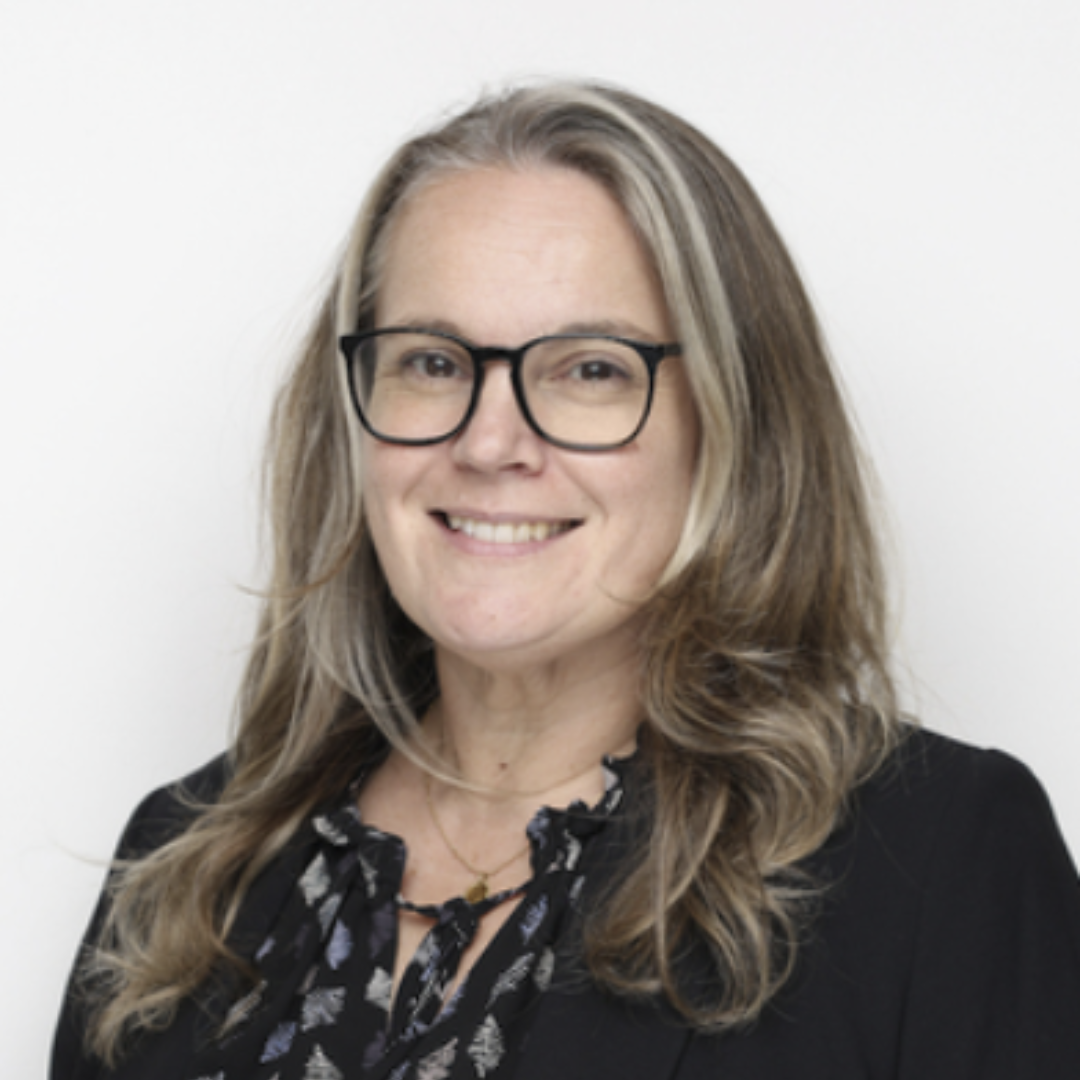
Rachael Parkinson is a science teacher at Royal Grammar School Guildford Dubai.
At Educake, we’re passionate about making retrieval practice part of everyday learning. Our curriculum-aligned quizzes give students regular opportunities to revisit knowledge, while teachers get instant feedback and clear insights into misconceptions and gaps in understanding.